BRT

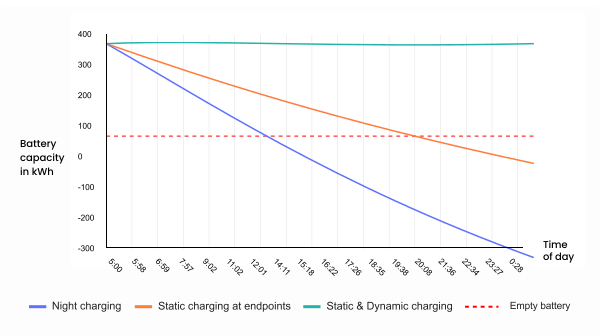
Electreon’s BRT solution keeps buses charged on the move, enabling nonstop service from rush hour to midnight. By eliminating detours, charging stops, and backup vehicles, it boosts efficiency, reduces fleet size, and cuts infrastructure and battery costs.

All the power buses need inside the BRT lane

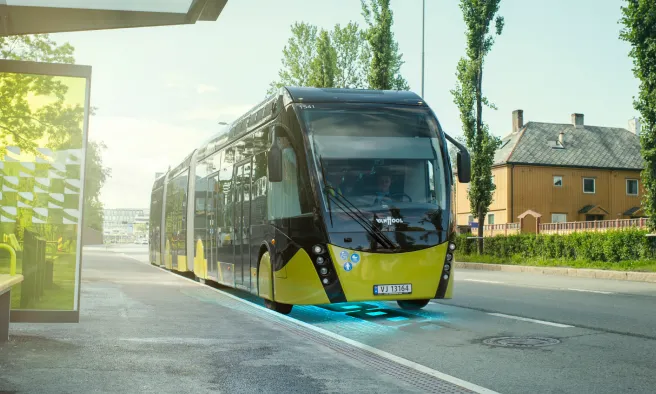
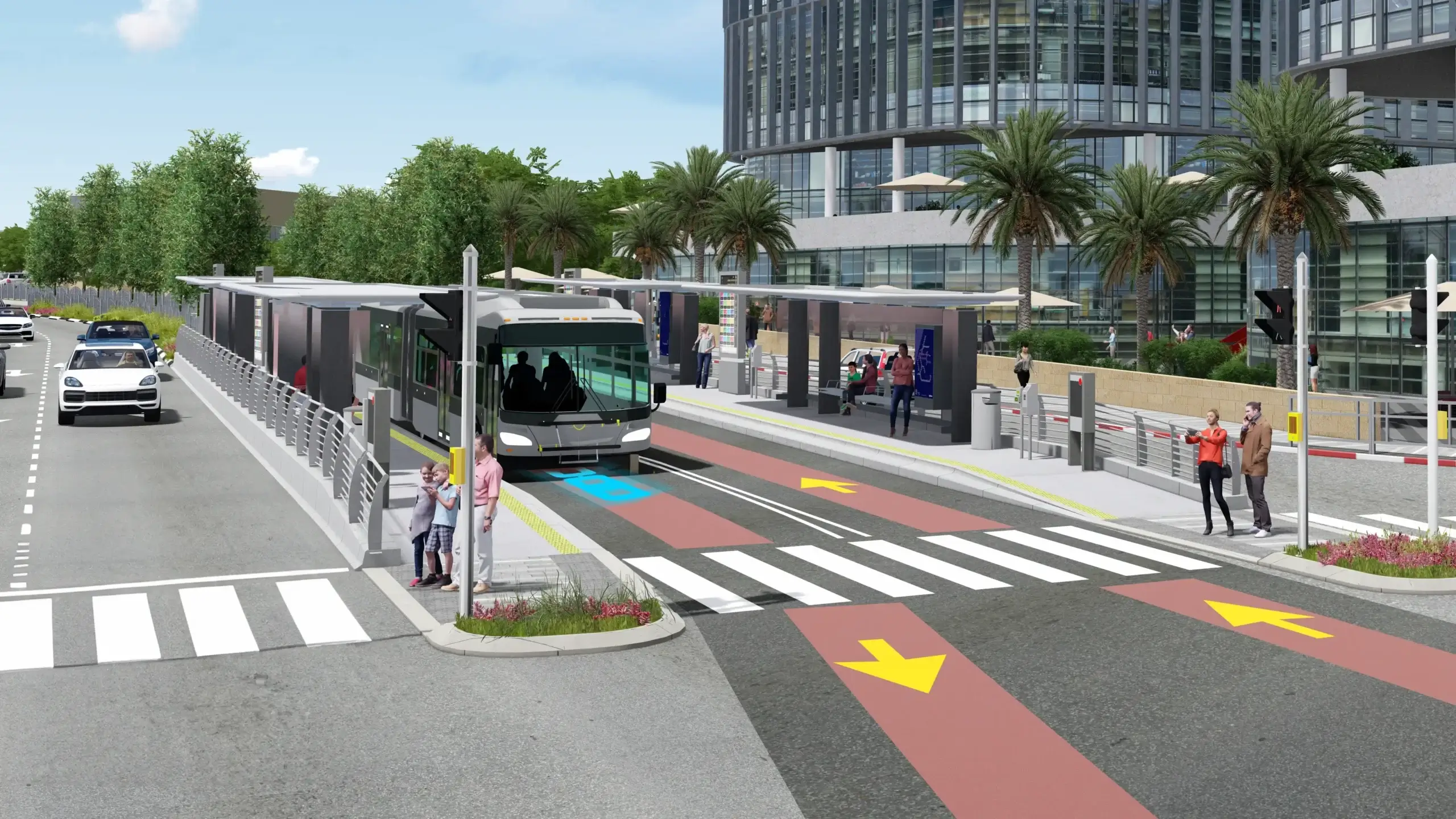
Instead of pulling buses off the road to charge, Electreon brings power straight into the BRT lanes, embedding wireless tech in just a few high-traffic sections and at key stops.

Complete power solution for BRT fleets 

BRT 1

ERS dynamic charging

Deployed on high-traffic streets charges buses while they drive, providing enough range for 24/7 operation.

BRT 3

Bus station charging

Opportunity top-up charging during boarding, red lights, and slow traffic delivers hours of extra energy. 

BRT 5

Depot charging

Stationary charging while parked at the depot lowers grid upgrade costs.

Electrify

 less than 15%*

 of the route to enable 24/7 operation

*Data from Haifa Metronit BRT project analysis

BRT 7

Lighter batteries and smaller fleets

Wireless charging eliminates standby buses, and midday charging trips. It potentially reduces oversized batteries and lowers the number of vehicles needed. And, with charging happening throughout the day, it prioritizes off-peak energy use, and helps cut infrastructure costs.

Stay 100% powered all day long

Top-up charging keeps your battery in the sweet spot—full of energy and ready to go, with more range and fewer charging delays

Grow the fleet without extra costs

With the same charging setup shared by the entire fleet, you can easily add more buses—no extra infrastructure needed.

Autonomous ready

Buses power up automatically—no plugs, no hassle—designed for safer, smarter driverless operation.

Powering the world one project at a time

Electreon is powering the next revolution in e-mobility.

Let’s drive it forward together

Frequently Asked Questions

How can BRT systems benefit from a combination of dynamic and static wireless charging?

BRT systems benefit from combining dynamic and static wireless charging because buses receive continuous energy top-ups throughout their routes. Static charging at passenger stops and terminals is complemented by dynamic charging along dedicated BRT lanes, helping reduce reliance on large batteries and reducing the need for midday depot breaks.

Key benefits include:

  • Continuous service: Buses can charge during normal operations without leaving service for scheduled recharging.
  • Battery size reduction: Frequent charging opportunities can significantly reduce onboard battery capacity requirements.
  • Higher fleet availability: Eliminating midday charging interruptions can increase operational uptime by up to 3x compared to conventional charging schedules.
  • Improved route efficiency: Energy is delivered where buses operate, rather than requiring detours to charging depots.
  • Distributed charging network: Energy is delivered across the route rather than from a few centralized charging locations, improving network resilience and flexibility.

As a result, transit agencies can support continuous service through a more resilient and scalable charging network while reducing battery requirements and maximizing fleet availability.

What are the environmental benefits of electrifying public bus fleets with wireless charging technology?

Electrifying public bus fleets with wireless charging can significantly reduce environmental impact by enabling battery size reduction and supporting renewable integration. Because buses receive frequent charging throughout their routes, they can operate with much smaller batteries, reducing the carbon emissions associated with battery production. Smaller batteries also improve vehicle energy efficiency by reducing vehicle weight and energy consumption.

Key environmental benefits include:

  • Lower battery manufacturing footprint: Smaller batteries require fewer raw materials and generate fewer manufacturing-related CO₂ emissions.
  • Reduced road wear: Lighter buses place less stress on road surfaces, helping extend infrastructure life and reduce maintenance needs.
  • Renewable integration: Wireless charging infrastructure is designed to be compatible with solar generation and Battery Energy Storage Systems (BESS) to support low-carbon or off-grid energy supply.
  • Improved resource efficiency: Frequent opportunity charging reduces dependence on oversized battery packs, while improving vehicle energy efficiency.
  • Flatter energy demand profile: Opportunity charging distributes energy consumption more evenly throughout the day, helping reduce peak electricity demand.
  • Reduced grid connection requirements: By delivering energy along the route, wireless charging can help reduce the grid connection size required at strategic locations such as depots and terminals.

As a result, cities can lower transportation emissions while creating more sustainable and resilient public transit networks.

How does the system handle high-frequency charging at bus terminals and stations?

The Electreon Ultra DOT solution (originally developed by INDUCTEV, now part of Electreon) provides ultra-fast stationary charging for high-powered bus opportunity charging. It is designed to deliver automatic, cable-free charging at bus stops, terminals, and transit hubs to maximize vehicle availability.

Key capabilities include:

  • Up to 300 kW opportunity charging: A single charging location can deliver up to 300 kW of continuous power using up to four static charging pads.
  • High-powered top-up charging: Buses can receive energy during scheduled passenger stops rather than dedicated charging sessions.
  • Optimized turnaround times: Automatic charging is designed to eliminate manual plug-in procedures and charging delays.
  • Rapid range replenishment: A city bus can gain up to 55 km of range in just 15 minutes.

As a result, transit agencies can support continuous service while reducing charging-related downtime.

How does wireless charging scale across large city-wide electric bus networks?

Electreon’s wireless charging solution is designed to scale across large, city-wide bus networks without requiring a 1:1 charger ratio between buses and charging stations. Because a single Management Unit (MU) is designed to power multiple charging spots, transit agencies can support growing fleets while minimizing infrastructure footprint and electrical equipment requirements.

Key scalability benefits include:

  • Real-estate optimization: Charging infrastructure is embedded in existing roadways, eliminating the need for large charging depots.
  • Reduced charger requirements: Multiple buses can share charging infrastructure throughout the network rather than relying on dedicated chargers.
  • Flexible network expansion: Additional charging locations can be added as routes and fleet sizes grow.
  • Proven commercial deployment: The Electra Afikim project in Israel supports dozens of electric buses and has demonstrated approximately 99% system uptime.

As a result, cities can electrify large bus fleets with a scalable, space-efficient charging network.

What is the impact of opportunity charging on electric bus battery lifespan?

Opportunity charging can help extend electric bus battery life by keeping the battery within a healthier State of Charge (SoC) range throughout the day. Instead of relying on infrequent, high-power charging sessions, buses receive frequent energy top-ups during normal operations, helping maintain battery levels within the optimal 20%–80% SoC window.

Key benefits include:

  • Reduced battery degradation: Frequent, smaller charging events place less stress on battery cells than deep discharge cycles.
  • Optimized State of Charge (SoC): Maintaining a more consistent charge level can support long-term battery health.
  • Lower thermal stress: Opportunity charging can reduce the extreme heat associated with ultra-fast charging methods.
  • Fewer thermal events: Lower charging and discharging stress helps minimize battery wear over time.
  • Extended battery lifespan: Healthier operating conditions can improve battery durability and reduce replacement frequency.

As a result, bus operators can lower battery lifecycle costs while improving fleet reliability and performance.

How does the underground infrastructure integrate with existing public transportation layouts?

Electreon’s wireless charging infrastructure is designed to integrate seamlessly into existing public transportation layouts because the charging components are installed beneath the road surface. This invisible infrastructure enables transit agencies to electrify bus routes without altering the appearance or functionality of existing bus bays, stations, or transit centers.

Key benefits include:

  • Invisible infrastructure: Charging coils are embedded beneath asphalt or concrete, remaining completely out of sight.
  • No visual clutter: The system eliminates the need for bulky charging equipment, exposed cables, and above-ground charging stations.
  • No overhead catenary wires: Wireless charging preserves streetscapes and station environments without overhead electrical infrastructure.
  • Seamless integration: Charging can be incorporated into existing bus bays, passenger stops, terminals, and transit centers.
  • Preserved operational space: Vehicles charge where they already stop, without creating new spatial obstructions.

As a result, transit agencies can deploy fleet electrification infrastructure while maintaining the aesthetics, functionality, and accessibility of existing transportation networks.