

The global shift to cleaner transportation isn’t just happening—it’s accelerating fast. In 2024, governments doubled down on policies supporting electric vehicles (EVs). In 2025, that momentum picked up even more speed. According to the International Energy Agency (IEA), EV sales are expected to top 20 million units in 2025, making up over 25% of all new car sales. That’s one in every four cars sold.
Not bad for a technology that felt “emerging” just a few years ago.
What’s driving this surge? Stronger regulation, better economics, and growing demand from both businesses and everyday drivers. Automakers are all in, and infrastructure is racing to keep up.
In this blog, we’ll take a closer look at how the United States compares to leading EV markets around the world—and what key regulatory and legislative moves are shaping the future of electric mobility and charging infrastructure.
Let’s dive in.
United States: Policy pause, innovation push
The U.S. EV story in 2025 is… complicated.
At the federal level, things slowed down. The Department of Transportation and FHWA hit pause on approving new NEVI (National Electric Vehicle Infrastructure) plans while they rethink the guidance. The good news? Existing funding is still flowing.
Meanwhile, states are keeping the momentum alive. From California to New York, local governments—and even utilities—are rolling out grants, incentives, and infrastructure projects. Charging networks continue to expand, and fleet electrification is gaining ground.
There’s a short-term dip on the horizon. With some incentives expiring, EV sales could drop to around 8% in 2026. But this slowdown is likely temporary. Lower battery costs, a growing second-hand EV market, and continued infrastructure rollout are expected to drive a rebound starting in 2027.
And then there’s innovation.
In early 2026, the FCC gave Tesla the green light to use Ultra-Wideband (UWB) tech for precise wireless charging alignment in its Cybercab robotaxi. Translation: fewer cables, more seamless charging—and one less regulatory hurdle for wireless charging in the U.S.
Bottom line: policy may wobble, but the long-term trajectory is still clearly electric.
Europe: Flexibility meets firm targets
Europe is taking a “firm but flexible” approach.
On one hand, the EU eased short-term pressure on automakers. Emissions targets for 2025–2027 will now be averaged over three years instead of enforced annually. There’s also more flexibility through 2035, allowing a mix of technologies—not just full electrification.
On the other hand, the rules are still tough. Automakers need at least 20% of sales to be electric or face penalties. That’s pushing companies to rethink pricing—making gas cars more expensive and EVs more attractive.
One of the biggest levers? Corporate fleets. With around 60% of new car registrations coming from fleets, the EU’s move to phase out fossil-fuel tax benefits in this segment is a major accelerator.
Add in global climate commitments from COP30 and a growing focus on financeable infrastructure projects, and Europe is building a strong, policy-backed EV ecosystem.
Let’s zoom into a few key players:
Germany: Tax breaks keep the wheels turning
Germany is doubling down on incentives. EV tax exemptions now stretch to 2030, with up to 10 years of tax relief for newer registrations. On top of that, a new income-based purchase grant (up to €6,000) makes EVs more accessible.
The strategy is clear: keep adoption steady by making EV ownership financially attractive.
UK: Infrastructure sprint mode
The UK knows what it needs: more chargers, fast.
With nearly 88,000 charging points already installed, the focus now is scaling—quickly. Over 100,000 additional chargers are expected, backed by funding like the £381 million LEVI program.
Challenges remain (VAT and regulatory uncertainty aren’t helping), but the direction is clear: build, build, build.
France: Big incentives, bigger infrastructure plans
France is making EVs easier—and cheaper—to adopt.
From grants of up to €5,700 for low-income households to “social leasing” programs starting around €100/month, affordability is front and center.
At the same time, the Charge France initiative is investing €3 billion into 40,000 ultra-fast chargers by 2028.
It’s a classic two-pronged strategy: boost demand and build supply.
Sweden: Social incentives drive adoption
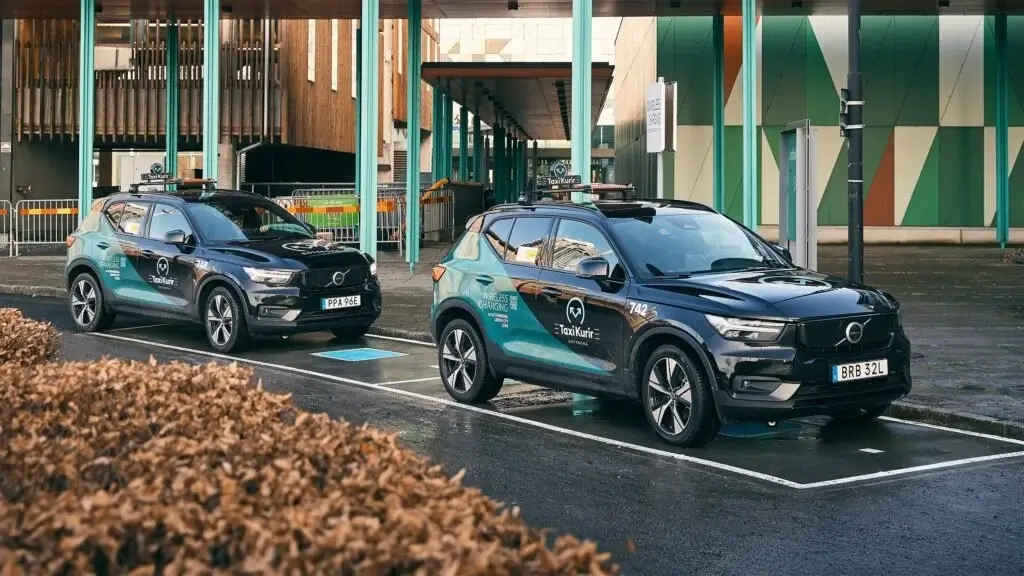
(Image: Electric Taxis in Sweden Charge With Innovative Wireless EV Charging from InductEV)
Norway: The EV endgame
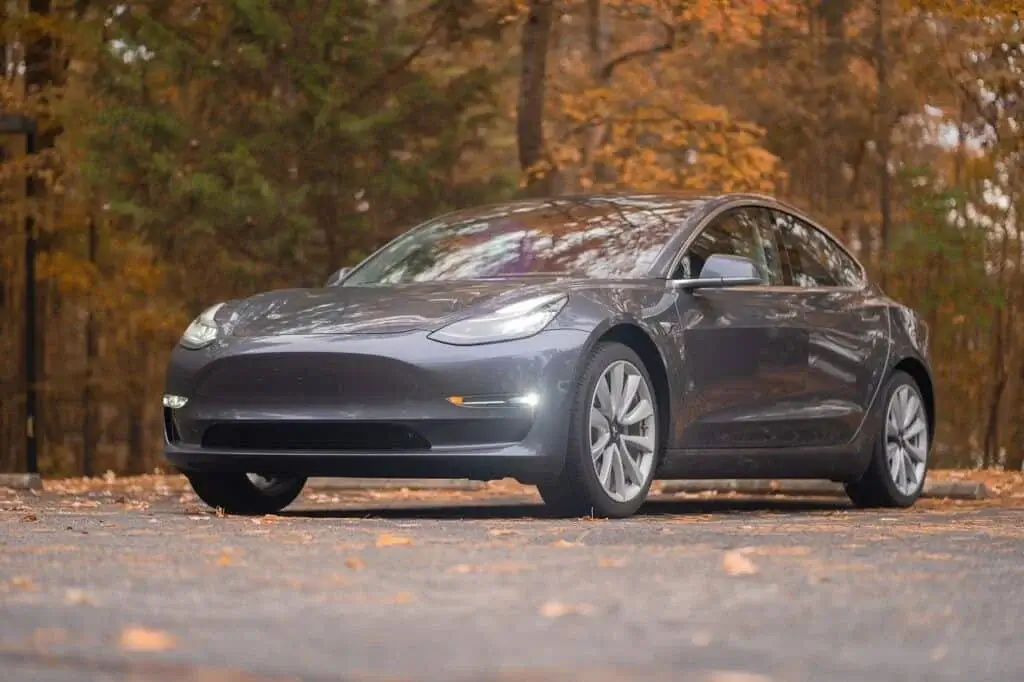
Norway isn’t chasing the future—it’s already there.
In 2025, a staggering 96% of new car sales were electric.
How did they do it? Years of aggressive incentives: tax exemptions, toll discounts, cheaper parking, and even access to bus lanes.
Now, the focus is shifting. Instead of driving adoption, Norway is managing a mature EV market—and even introducing new taxes to balance state revenues.
In other words: mission accomplished.
Asia: Scale and strategy
Asia continues to be a powerhouse in EV adoption—but with very different approaches.
Japan: Subsidies get a boost
Japan is stepping up its support.
The Clean Energy Vehicle (CEV) program is increasing subsidies for EVs, with potential support rising to ¥1.3 million yen (roughly $8200 USD) starting in 2026.
The goal? Make EVs more competitive and accelerate adoption—especially as global competition heats up.
China: From subsidies to dominance
China is still leading the pack—and evolving its strategy.
Instead of relying heavily on purchase subsidies, the focus is shifting to infrastructure, trade-in programs, and ecosystem development.
The payoff is huge: in 2025, new energy vehicles (NEVs) surpassed 50% of total car sales for the first time.
That’s not just leadership—that’s market transformation at scale.
InductEV: Powering adoption, one charge at a time
While policy and incentives set the stage, technology is what keeps the wheels turning.
That’s where InductEV comes in. The company is focused on accelerating global EV adoption through high-power wireless charging solutions—especially for heavy-duty vehicles like electric buses and drayage trucks.
And this isn’t just theory. InductEV has already deployed projects around the world, helping fleets stay charged without the need for cables or downtime-heavy charging stops.
The impact goes beyond convenience. In many cases, wireless charging can reduce operating costs by up to 50% annually, while lowering total cost of ownership by around 30% compared to traditional wired systems.
As more cities and operators look for scalable, efficient charging solutions, technologies like this are becoming a key piece of the EV adoption puzzle.
Wrap-up: Different roads, same direction
Zooming out, one thing is clear: the EV transition is well underway—but every region is taking its own route.
The U.S. is navigating policy shifts while continuing to innovate. Europe is balancing flexibility with firm targets and strong incentives. And countries like China and Norway are showing what rapid, large-scale adoption can really look like.
What sets the leaders apart? A mix of clear policy direction, sustained investment in infrastructure, and practical solutions that make EVs easier—and more affordable—to adopt.
The U.S. is making progress, but there’s still room to accelerate. By learning from global frontrunners and continuing to invest in both infrastructure and innovation, it has a real opportunity to close the gap.
One thing’s certain: the race isn’t slowing down anytime soon—and the next few years will be critical in shaping who leads the way.
FAQs
Who’s leading the EV race right now?
China and Norway are way ahead—one by scale, the other by near-total adoption.
Why is the U.S. lagging a bit?
Policy uncertainty slowed things, but innovation and state-level action are keeping momentum alive.
What’s Europe’s strategy?
A mix of strict targets and flexible rules—plus heavy focus on fleets and incentives.
What’s driving EV growth globally?
Stronger regulations, falling battery costs, and better charging infrastructure.
Where does wireless charging fit in?
It removes downtime and cables—making EVs easier and cheaper to run, especially for fleets.


