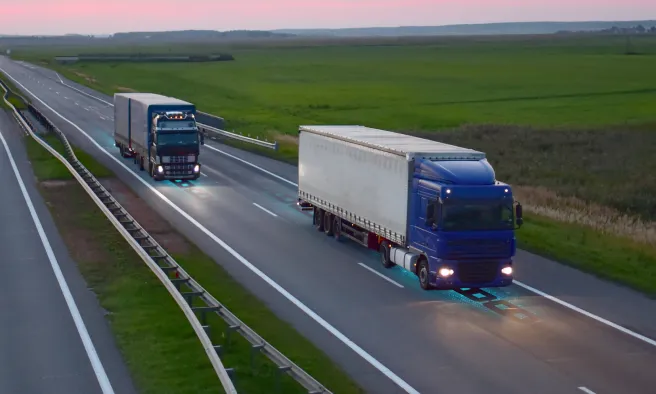
Electreon’s wireless charging keeps long-haul fleets powered all day—topping up on highways, at weigh stations, or while loading. The payoff? Smaller, lighter batteries, lower costs, and a smaller footprint—with nonstop trips to match. With roads that charge as you go, freight keeps moving—no need to stop for charging. For trucks, it’s simple: top up on the go—or get stuck.
No charge, no delivery
Trucks simply can’t finish their routes without wireless charging keeping them powered.
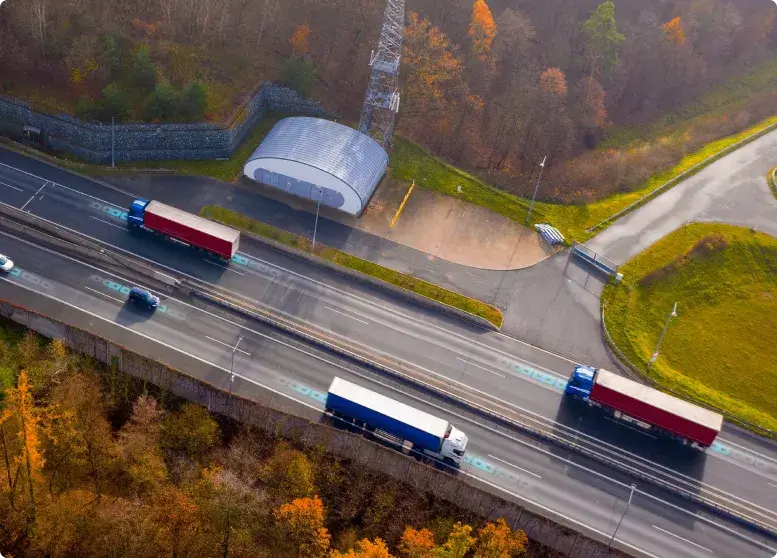
E-trucks need ERS to go the distance— charging on the move with smaller, lighter batteries that cut costs and leave more room for cargo.
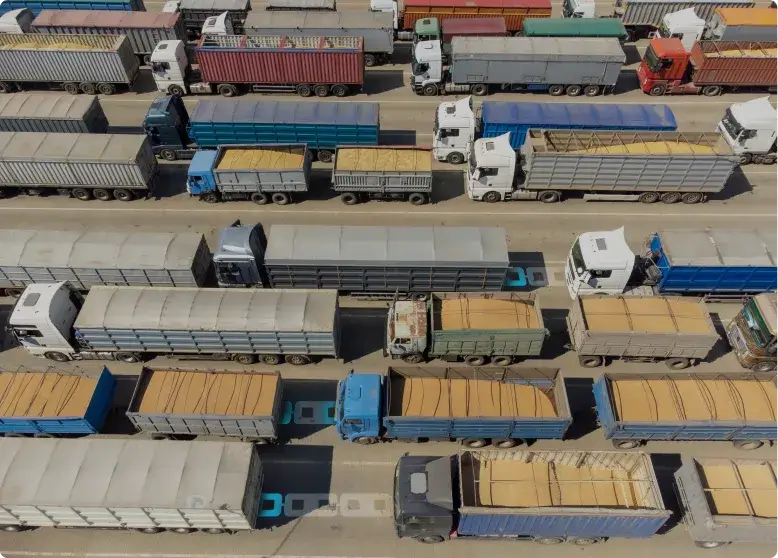
Top up hands-free at toll plazas or weigh stations—turning slowdowns into power-ups.
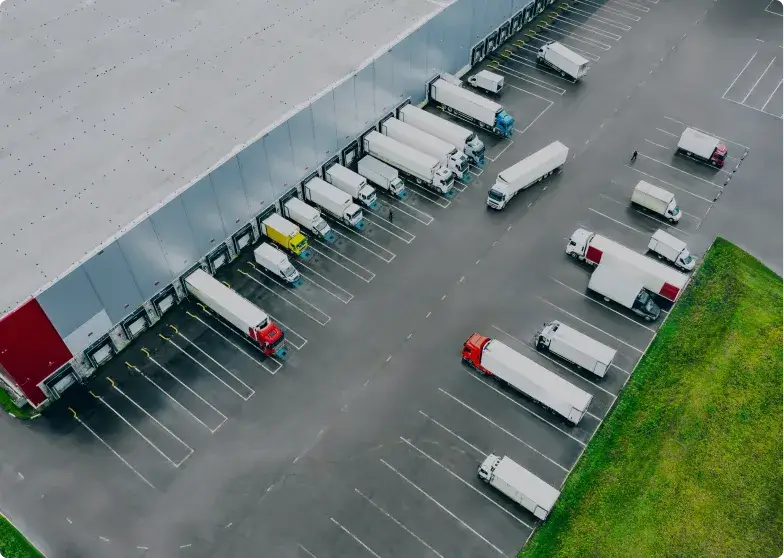
Power up where work happens—at depots, logistics hubs, or ports—with shared wireless charging that fits tight spaces and lowers grid costs.
Smaller batteries mean lighter trucks, lower costs, and less energy wasted hauling extra weight.
Cut road freight emissions by 86% confirmed by government study
Smaller batteries mean lighter trucks, lower costs, and less energy wasted hauling extra weight.
Every top-up pays—governments and road operators can bill trucks, buses, taxis, and cars with Charging-as-a-Service (CaaS), monetizing highway and toll traffic.
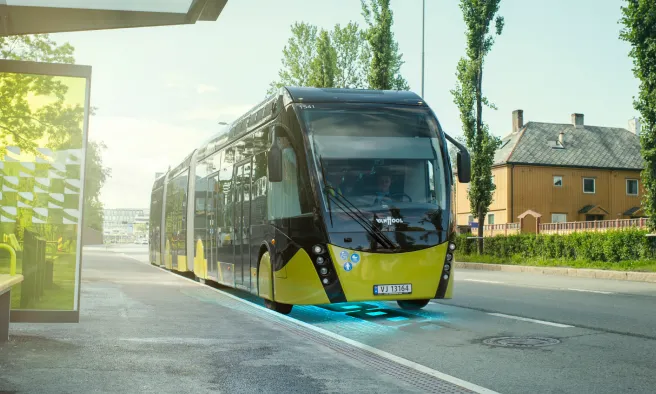
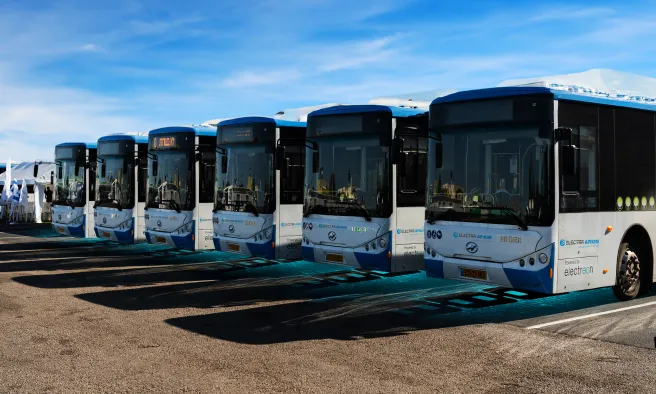
Electreon will equip Trondheim’s BRT with wireless charging in motion and at stops. Designed for tough terrain and weather, the system cuts battery size, improves efficiency, and supports AtB’s vision for shared electric roads and Norway’s zero-emission transport goals.
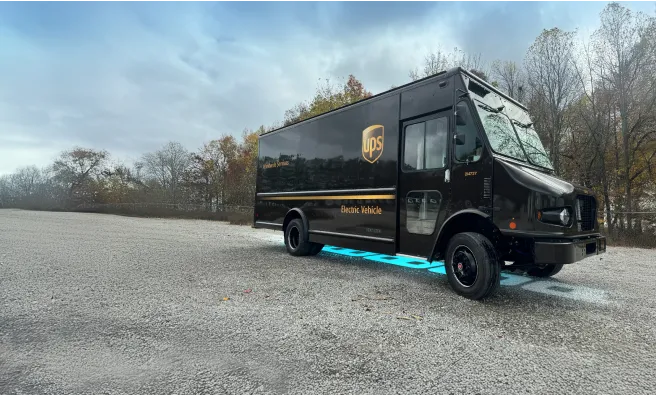
Electreon will deploy wireless charging at a UPS depot in Detroit and integrate its tech into an Xos stepvan—part of UPS’s last-mile delivery fleet. The project cuts downtime, lowers costs, and builds on Detroit’s first public wireless EV road.
Running freight? Go electric without the weight. Talk to us about wireless charging for trucks.
Dynamic wireless charging is designed to enable long-haul electric trucking by delivering energy directly to vehicles while they are driving. Using a wireless Electric Road System (wERS), trucks can receive continuous in-motion charging, reducing dependence on massive battery packs and minimizing charging-related downtime.
Key benefits include:
As a result, wERS technology can support long-haul freight electrification while improving fleet productivity and reducing battery-related costs.
Yes. Wireless energy transfer is designed to support the demanding power requirements of heavy-duty electric trucks, even at highway speeds. Real-world testing has demonstrated that wireless charging can deliver high levels of power while vehicles remain in motion, enabling continuous freight operations without sacrificing performance.
Key performance benefits include:
As a result, freight operators can electrify long-haul trucking while maintaining the performance, productivity, and operational flexibility required for commercial transport.
*Figures reflect specific project or test conditions; results may vary by site, vehicle integration, and deployment configuration.
Installing wireless charging on highways requires minimal modifications to existing road infrastructure. The system uses shallow trenching, to install copper charging segments beneath the asphalt. Once installed, the road surface is restored, allowing normal traffic operations to resume.
Key infrastructure requirements include:
As a result, transportation agencies can deploy wireless charging infrastructure with minimal traffic disruption while preparing highways for large-scale truck electrification.
Static wireless charging reduces downtime by turning routine truck stops into charging opportunities. By deploying wireless chargers at terminal gates, queuing areas, warehouse docks, and other logistics touchpoints, heavy-duty trucks can receive energy during normal operational pauses without interrupting freight operations.
Key benefits include:
As a result, logistics operators can improve vehicle availability, reduce operational delays, and support more efficient terminal operations.
Wireless charging can increase freight payload capacity by reducing the need for oversized batteries. In heavy-duty electric trucks, battery packs can add significant weight, reducing the amount of cargo a vehicle can legally carry within federal and regional vehicle weight limits. By enabling continuous opportunity charging along routes and at logistics hubs, wireless charging can allow fleets to operate with smaller, lighter batteries.
Key benefits include:
As a result, freight operators can maximize revenue-generating payload capacity while reducing vehicle costs and accelerating fleet electrification.
Electreon’s wireless charging technology helps maintain grid stability through smart load-balancing and distributed energy delivery. Instead of concentrating charging demand at a single depot, vehicles receive energy throughout their routes, spreading electricity consumption across both time and location.
Key grid benefits include:
As a result, freight operators can electrify heavy-duty truck fleets while reducing peak demand, improving grid efficiency, and avoiding costly infrastructure upgrades.
Charges electric vehicles while they drive on equipped streets and highways
Charges electric vehicles while boarding passengers or crawling in traffic
Charges electric vehicles when parked or stopped
Intelligent software for real-time energy flow insights